

Why Do I Need a Will in Canada?
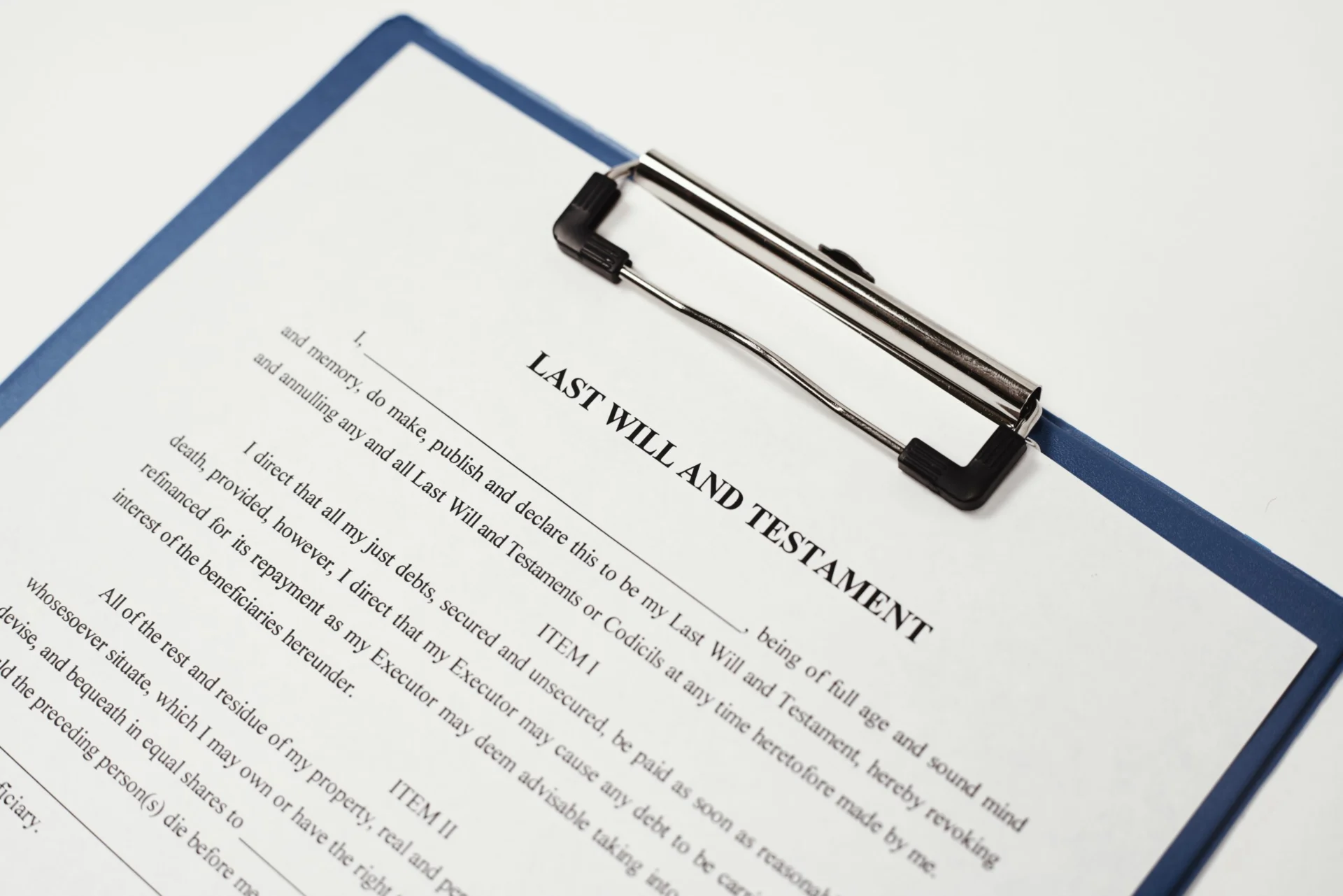

The answer to this question can be summarized as follows:
- Without a will, you cannot choose an Estate Trustee to manage your estate, and the person who takes on this role will be appointed by the court.
- Without a will, you cannot choose who will inherit your assets. Provincial law will designate the heirs.
- If you do not have a will and your children are under 18, your children’s share of the inheritance will be held by the court until they turn 18. Your children will receive their share when they turn 18, whether or not they are mature enough to manage it. Without a will, there is no flexibility to set up trusts for your children or to consider any special needs of family members.
- A properly drafted will can help save on taxes, both at the time of your death and after your death. Beneficiaries may have to pay tax if there is no clear and accurate will.
THE PURPOSE OF A WILL
The purpose of a will is to provide for the orderly distribution of your assets when you pass away. Therefore, it is important that you identify all of your assets and liabilities when drafting your will. This allows you to determine with certainty the net value of your estate that will be divided among your beneficiaries.
TYPES OF DISTRIBUTION OF ASSETS
Immediate distribution
After all debts have been paid, the remaining assets will be distributed to one or more beneficiaries.
Trust
Clients are often concerned that an immediate distribution to a beneficiary is not in the best interest of the estate and the beneficiary. A surviving spouse may not be able to manage the assets without assistance. Parents may feel that at age 18, their children may not yet be mature enough to handle a large sum of money. You can effectively address these concerns by setting up one or more trusts in your will.
When you have a trust in your will, you entrust your executors to hold part or all of your estate for the beneficiary. Typically, the will will provide that a child’s share of the inheritance will be held until the child reaches a certain age, and will allow the executors full discretion to use the trust funds for the benefit of the child until the child reaches that age. Staged distribution of assets is also quite common. For example, one portion may be paid out at age 21 and the remainder at age 30. Until the child turns 30, the executors will have some control over the child’s interest in the parents’ estate.
There are many factors that must be taken into account when you decide to set up a trust in your will. These factors include the size of your estate, the age of the beneficiaries and their responsibilities, as well as any special needs, such as medical or educational needs, that the beneficiaries may have.
In short, you can write your own will, but if your will is drafted by a professional lawyer, your loved ones’ interests will be protected and future complications can be avoided. The upfront cost may be more right now, but compared with litigation later on, you will save a great deal.
Thien Huong Jenny,
Related Articles

Term vs Permanent Life Insurance in Canada: Which One Should You Choose?
Comparing Term and Permanent Life Insurance in Canada: benefits, costs, pros and cons, and tips for choosing the right insurance for your family.

Valuable Lessons I Learned From My Divorce in Alberta, Canada
My divorce in Alberta made me realize there are many things you only understand once you have been through them: from assets that are easy to overlook, to choosing a lawyer, to the emotional toll on both mother and children. These are the lessons I drew from my own experience, and I hope they help you feel a little less overwhelmed if you are going through this stage too.

$500,000 of insurance sounds like a lot — until you sit down and do the math
$500,000 of insurance sounds like a lot, but after paying off the mortgage, replacing income and setting money aside for the children's education, how much would the family have left? Let's work through an example to see whether this amount of insurance is really enough.