

Applying for Scholarships in Canada
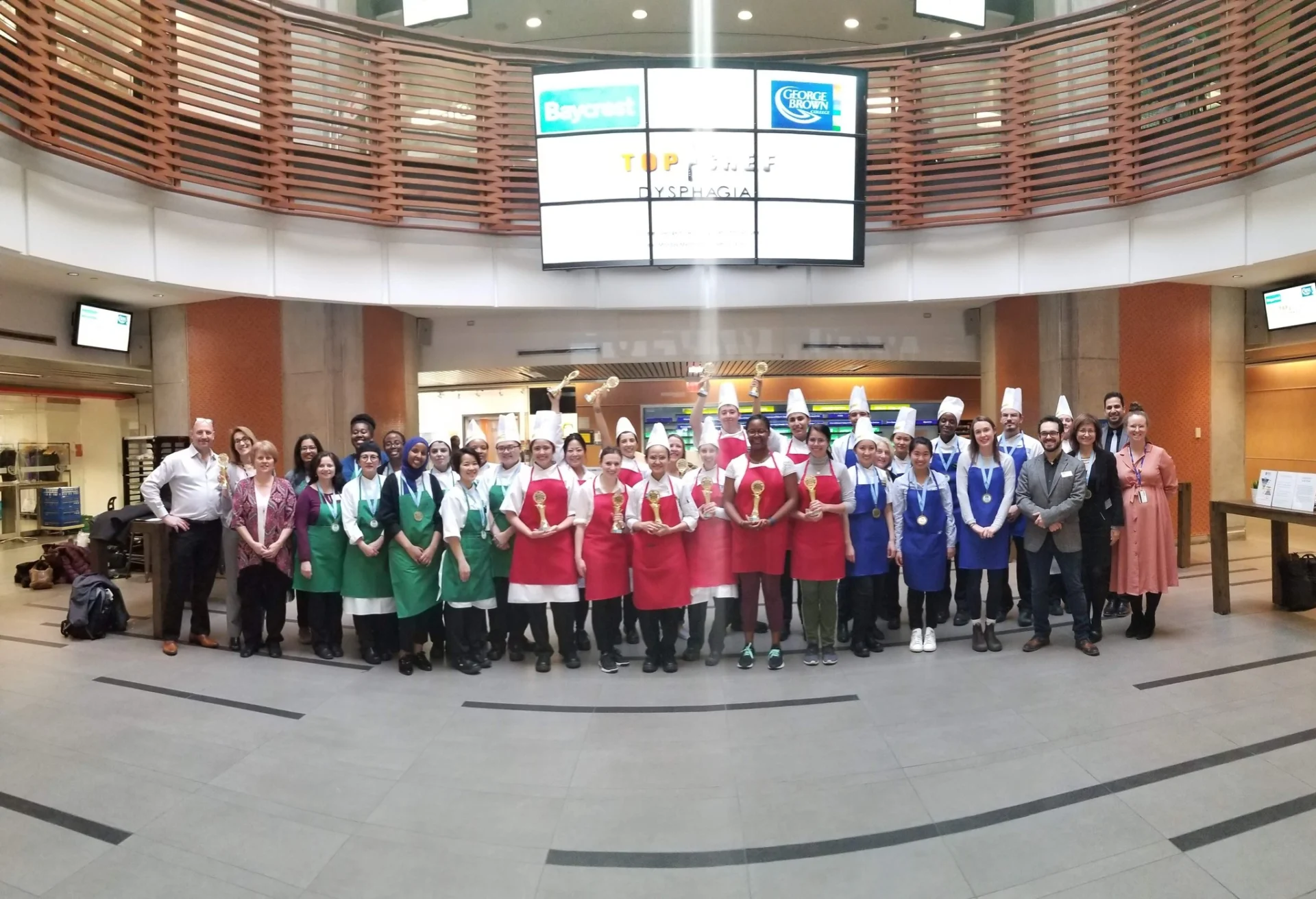
Table of Contents

Once again, I apologize that this next article doesn’t follow the Social Benefits theme  I’m often very spontaneous like that. Not to mention that with writing, sometimes you need that “inspiration” inside you for the article to turn out well
 It’s just that a new school season is about to begin, and the other day a few students from later cohorts asked me about applying for scholarships, so I promised to write about this topic to avoid many people messaging me with the same question.
Before getting into the main topic, let me (once again) briefly talk about my background. I came to Canada in 2018 and took a Diploma in Culinary Nutrition Management at George Brown College. During my studies, I was fortunate to receive 3 scholarships: 1 scholarship from the English department at GBC (while I was studying English), 1 GBC scholarship for International Students, and 1 scholarship from The Helderleigh Foundation for students in the Nutrition field. When looking into scholarships for studying in Canada, many of you have probably (like I once did) heard rumours that scholarships in Canada are very rare and extremely hard to get. Let me tell you: that is the truth! However, “hard” does not mean impossible. Don’t let the thought “It probably won’t be my turn” cause you to lose the opportunity yourselves. How would you know if you never try? Honestly, I don’t dare call myself an outstanding, excellent person, because I have met and heard of many young people far more talented than me. I only dare to be confident that I am someone who always knows how to seize opportunities and always does everything to the best of my ability. So I hope young people in Vietnam will study and work in that same spirit. The introduction is getting long, so let me get to the main point 
1. Sources of Scholarships
Scholarships in Canada are already few, and scholarships for international students are even fewer. Don’t be sad when, as you go searching for scholarships, you come across many that are only granted to PRs/citizens. Well, it’s their home turf; it’s only natural that they give priority to their “own children”. No point being sad about it! So you have to keep your eyes and ears wide open and search. Below are some places where you can hunt for scholarships:
– The school’s website: every school will usually have a Scholarships section on its website. They will post not only scholarships granted by the school itself, but also scholarships from organizations (usually ones that work in partnership with the school).
– Teachers: during your studies, teachers very often update students on scholarships for your program/department. To be more proactive, at the start of the course, go meet the teachers in your department and ask about the scholarships available specifically for your program/department. If there aren’t any yet, let them know in advance to please tell you when there are!
– Organizations in the industry: be proactive! Don’t just stay cooped up within your own school/program. Find out what organizations exist in Canada in your field of study/work. For example, in my food/culinary field there is the organization WFIM – Women in Food Industry Management, which also often grants scholarships to students in the field. Look into them and join if you can. You will not only learn and expand your networking with people in the industry, but also be able to quickly catch the scholarships that these organizations offer.
– Google: As the folk saying goes, “If you don’t know something, just Google it” — and it’s not wrong. Make use of every resource you possibly can!
2. What Do You Need to Prepare to Apply for a Scholarship?
– Good academic results: Of course! Scholarships are meant to encourage studying. However, this factor is not the most important one. Because there are very many people who get A grades, and among international students who “grind like crazy” there are even more. So don’t forget to invest in the other factors below.
– Extracurricular activities: these are activities that prove that, besides studying well, you are also a person who is useful to society. These activities should be volunteering rather than paid work. You can choose to volunteer in a field you care about and love, or a field that is useful for your own resume when you apply for jobs later on.
– Relationships with teachers: We Vietnamese students very often feel “shy”. Shy about communicating, shy about building relationships with teachers at school. This is an enormous loss in every respect. Communicating well with teachers not only helps you achieve good results in your studies, but also opens up job opportunities you would never expect. Oh, and how does this relate to scholarships? Most scholarships will require a “Reference Letter” from a teacher or from a person of standing in the industry. In this letter, the writer will assess the good points they see in you, and why they feel you deserve to receive the scholarship. If you study well but are someone who always sits at the back of the class, whose face and name the teacher doesn’t remember, then when you ask them to write a letter of recommendation for your application, do you think they will help you?
– Strong (English) writing skills: Sorry to those of you who aren’t good writers yet  Truly, asking for anything requires “a way with words”. You will need to write a letter to the organization granting the scholarship, stating the reasons: Why do you think you deserve to receive the scholarship? To do that, you also need a sharp eye for the purpose of the scholarship, and to research the organization granting it to you carefully. What kind of person are they looking for to award the scholarship to? For example, while the GBC scholarship granted to me was mainly to support students who study well and contribute to society but have difficult financial circumstances, The Helderleigh Foundation scholarship instead focused on awarding people with contributions in the Food/Nutrition field. That is exactly why the letters I sent to these 2 organizations were written differently.
I hope the information above helps international students get a more general overview of applying for scholarships. Wishing you all a new school year with lots of good results! Don’t pass up any opportunity to experience new things!
Related Articles

Valuable Lessons I Learned From My Divorce in Alberta, Canada
My divorce in Alberta made me realize there are many things you only understand once you have been through them: from assets that are easy to overlook, to choosing a lawyer, to the emotional toll on both mother and children. These are the lessons I drew from my own experience, and I hope they help you feel a little less overwhelmed if you are going through this stage too.

The Child Support Order Process – Part 2: Support Organizations
This article is Part 2 in the series on the process of applying for a Child Support Order, focusing on the support organizations in Alberta. I share my personal experience as a low-income parent, from applying to Alberta Legal Aid to organizations such as the Women's Centre of Calgary, the Alberta Family Resolution Hub, and the Child Support Resolution Program (CSRP). The article walks through each step in detail, from submitting an application, file assessment and advice, to mediation, reaching an agreement, or preparing for court. This is a useful guide for anyone looking to resolve a child support dispute without their own lawyer, or who wants to clearly understand the support options available.

The Child Support Order Process – Part 1: What Is Child Support?
I started writing this article while I was preparing my own application for child support in Calgary, Alberta. After months of figuring out a rather complicated process on my own, I want to record the whole experience to help anyone in a similar situation. In this series, I will clearly explain what child support is, the common misunderstandings, how it is calculated under Canadian rules, and the practical things to know when filing in Alberta. I hope this sharing will help moms (and dads too) find clearer direction on their journey to protect their children's rights.